





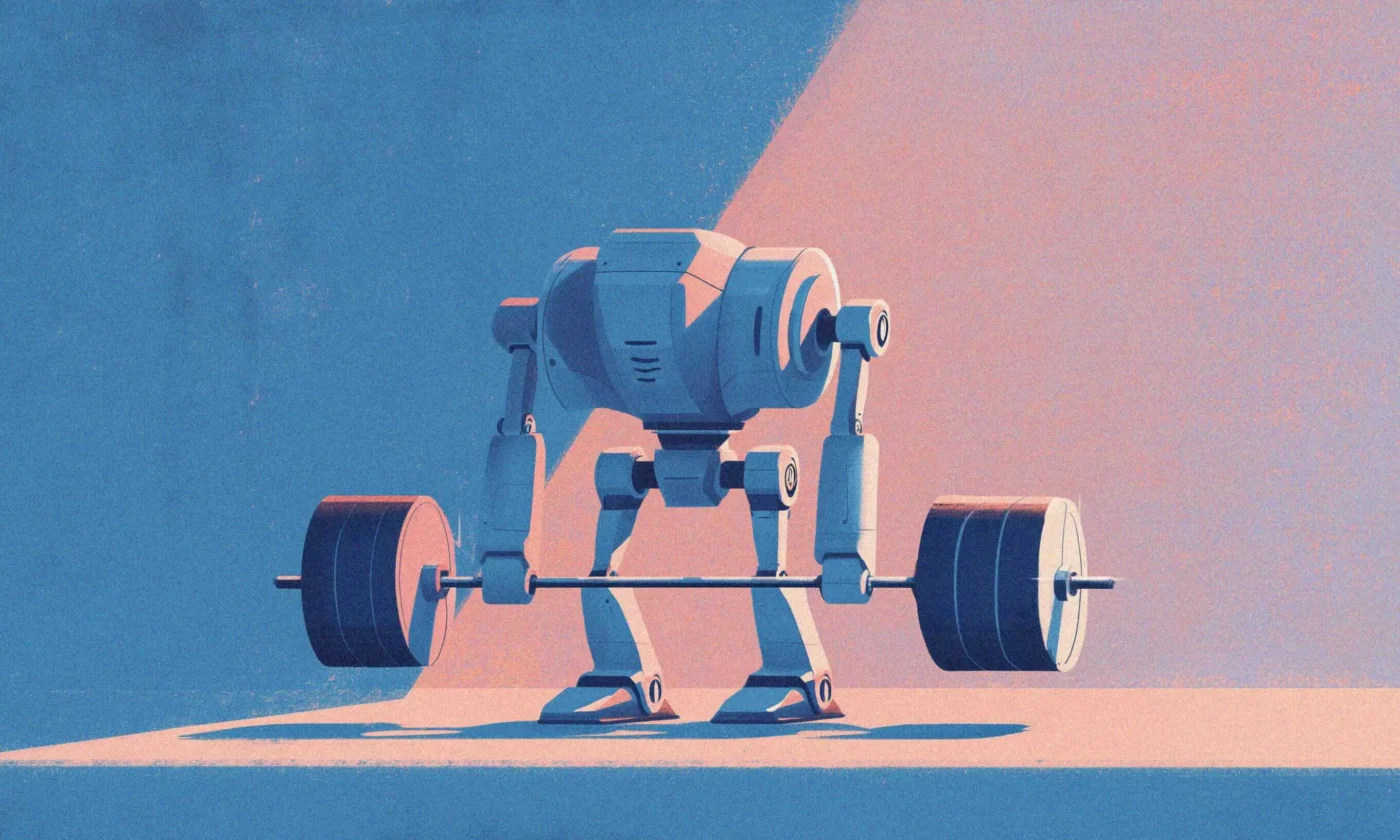
We can all agree that physical exercise is a necessary part of life – at least if we want to stay healthy. The benefits are obvious: you feel stronger, more confident, and the quality of your life increases. In the world of digital products, test automation is a personal fitness trainer.
Of course, just like you can exercise on your own with varying degrees of success, you can test software manually. And yes, if you’re disciplined about it, you’ll catch bugs and ship decent products.
But training without proper guidance often leads to injuries, plateaus, and inefficient progress. You might build strength in some areas while creating dangerous imbalances in others.
So you hire a personal trainer who transforms your fitness journey. They keep you on track, improve your form, and help you get results safely. They work while you sleep, planning tomorrow’s session.
Test automation is the personal trainer of digital products
Test automation maintains balance across your codebase, catches form errors (bugs) before they compound, and scales testing efforts as your application grows in complexity.
Let’s explore the reasons why your project needs this discipline now, not later.
1. Avoid injuries, stay stable
When you work out with bad form, you risk injuries that can put you out of the gym for weeks, if not months.
Similarly, when you skip testing or test manually under time pressure, you risk introducing bugs into production and requiring late-night hotfixes for your team. Automated tests work like a trainer watching your form, catching problems early, and keeping your app healthy and stable.
For example, your team merges a new feature right before a release. Nobody has time to manually re-check the whole flow and all possible aspects that this feature could influence, and it breaks in production. Users can’t buy anything, the team scrambles to fix it, and release night turns into an all-nighter. With automation, the regression tests would have caught bugs while the team is on lunch, allowing the team to focus on a more detailed application check.
2. Save time, maximize efficiency
A trainer can give you a structured plan so you don’t waste time wandering between machines, wondering what to do next.
Automation does the same for your testing process. It runs tests faster and more reliably than any manual tester could, freeing up your team to focus on exploratory and more creative testing. That means more time to work on new features rather than repeating the same old checks. The goal is to test better from the start, which will help address more bugs.
Your QA team used to spend two full days manually running a regression suite before every release. Once the tests were automated, the entire regression suite could run in 30 minutes, giving QA more time to uncover edge cases instead of performing repetitive work.
3. Customized plans, tailored for you
Not every person at the gym has the same goals. Some want to build muscle, others want to lose weight, or just stay in shape.
Your automated test suite can be just as flexible. You can run smoke tests for quick health checks, regression suites for deep validation, or API tests when you need fast feedback without the UI overhead. Just like a trainer customizes workouts to fit your goals, you can shape automation to match your project’s priorities.
In other words, your team can run a fast smoke test suite for every pull request to catch critical failures quickly. Overnight, a full regression suite runs to catch deeper issues. This way, developers get quick feedback during the day and full confidence before a release, without slowing development velocity.
4. Consistency, no skipped reps
Let’s face it, we all slack off sometimes at the gym. Maybe you skip leg day or cut your session short.
Automated tests don’t do that. They run the same way every time, never forgetting a step or cutting corners, so nothing important gets missed.
Just imagine this: during a tight deadline, a manual tester accidentally skips testing a rarely used payment method. After the release, users started reporting that this payment method doesn’t work at all. Automated tests would have run that scenario; no memory lapses, no skipped steps, and the issue would have been caught before release.
5. No excuses, constant availability
Even the best trainer can’t be available 24/7. But automation is.
Your tests can run at night, after every commit, or whenever you need them. No vacation, no sick days. Just reliable feedback on demand. This gives your team confidence to move fast without worrying about breaking something while everyone’s asleep. It’s also perfect for collecting more data over time—like tracking performance trends or running large test suites without slowing your team down.
Your team merges a large feature late in the evening. The CI/CD pipeline kicks off the test suite automatically, and by the time everyone logs in the next morning, there’s a full report waiting with detailed logs and screenshots. If something breaks, the team knows exactly where to look.
6. Motivation & confidence growth
Seeing progress at the gym keeps you motivated to keep going.
The same happens with a passing test suite. It builds confidence for developers and stakeholders. When you know you’re not breaking anything, it feels good to move forward. Integrations with tools like Slack make the process even more transparent, keeping everyone aware of the status at all times.
Your Slack channel lights up with green checkmarks every time a test run passes. Developers celebrate, stakeholders gain trust in the process, and the whole team feels encouraged to keep pushing forward because they know there’s a safety net if something breaks.
The finish line
Hiring a trainer might seem costly at first, but the long-term health benefits are worth it. You avoid injuries, progress faster, and stay consistent. Test automation works the same way. It takes time and resources to set up, but the payoff is huge: faster releases, fewer bugs, and happier users.
So don’t skip your project’s “leg day”! Invest in automation early, keep your app in top shape, and enjoy the long-term benefits of a healthy, reliable product.