






Infobip Shift, the largest developer conference in Southeastern Europe, returned to Zadar. Infinum team arrived on day zero and stayed until the lights went out. From the main stage to a private dinner, we showed up with more on the agenda than ever.
Shift, the largest developer conference in Southeastern Europe, returned to Zadar in September – hosted by Infobip, Croatia’s homegrown unicorn and one of the world’s leading cloud communications platforms.
Infinum’s presence this year spanned the full conference – a keynote on the future of tech consulting, a CEO panel, a live ChatGPT app demo for clients and partners, and a practical workshop that put hard questions in front of marketing leaders.
One of our most active editions yet.
Reality check no. 1 – on the main stage
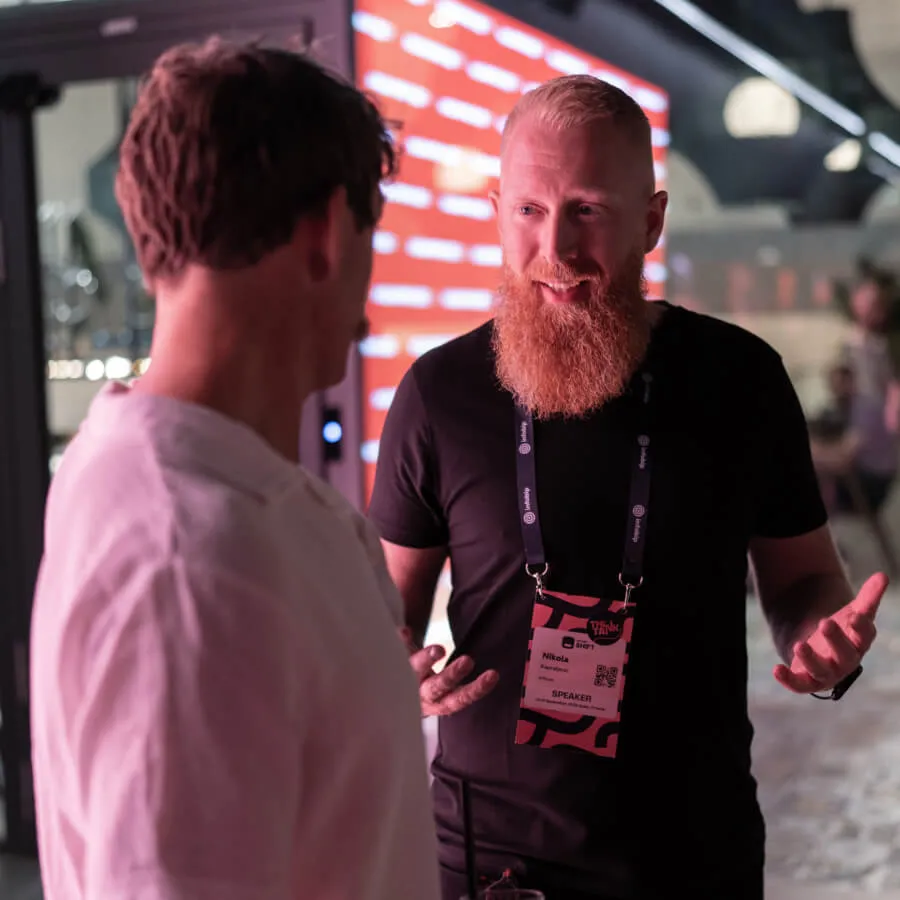
There’s no shortage of opinions on what AI means for tech. There is a shortage of people willing to share what it actually looks like from inside a tech consultancy navigating that shift in real time. Nikola Kapraljević, Infinum’s CEO, held a keynote built to cut through the noise: Reality Check: Can Engineering & Tech Consulting Survive AI?

His central argument: any agency facing AI disruption has exactly three options.
To fight, meaning to compete harder on the old terms. Defend deals on rate, sell more people at a thinner margin, add headcount to hold the same revenue. Argue that the AI output isn’t good enough yet, and hope clients agree long enough to buy you time.
To flight, or to wait it out and dress it up as prudence. Tell yourself your clients are regulated, that you’ll adopt when the technology matures, that it’s smarter to let someone else make the mistakes first.
And finally, to evolve. To rebuild the delivery model from scratch – not just the tools you use, but how you staff, how you price, how you scope, who talks to the agent, what you’re actually accountable for, and who you invest in training. The whole thing.
Infinum chose to evolve.
Two years into a company-wide AI transformation, the numbers back it up: with roughly the same number of developers, our teams shipped 38% more pull requests and 97% more commits year-on-year in 2026.
A key driver is the Infinum AI Stack – an internal toolset that packages together Pragmatic Spec Driven Development, our tried and tested way of working for quality AI-assisted development, a skills marketplace, and Phantom, our Slack-native AI agent.
In the period tracked, 60.7% of Phantom runs came from non-engineers: QA, project managers, and DevOps opening pull requests directly from Slack.
The bottleneck used to be engineering availability, but that’s no longer the case.
On new agentic projects, we have more freedom to set things up right for agents – which isn’t always the case on legacy ones. When projects are set up right, code quality holds up, and we started landing on the lower end of estimates or even below.
Nixa didn’t stop at the wins
Token costs have spiked 5x since January – and without engineers actively optimising their spending, that won’t be sustainable.
It puts real pressure on margins, and it’s something the industry hasn’t fully reckoned with yet.

Smaller agencies – and some larger ones – have been struggling for a while, and that will continue.
The pattern is consistent in recent years: stagnant or declining revenue, lower profits, and little room left to invest. New business is becoming increasingly expensive and difficult to sustain, even at scale.
Consolidation is coming.
For enterprises, the pressure runs in the other direction: they’re accelerating investment to keep pace with AI-native challengers who can build and iterate faster than traditional competitors.
It’s getting harder and harder to build the right thing – and even the companies that created the tools are feeling it.
OpenAI recently launched the OpenAI Deployment Company, acquiring Tomoro specifically to bring experienced Forward Deployed Engineers on board from day one. Anthropic has been making similar moves.
Both companies recognised that getting AI from strategy to measurable outcomes requires more than a model – it requires people who know how to implement it inside real organisations.
The consulting layer of the agency work – the judgment, the strategy, the knowing where things go wrong – is more valuable in that environment, not less.
That’s a reality check for the whole industry, and it’s one that points directly at what consultancies like Infinum are built to do: clients need help with AI transformation, and we’ve already started working on exactly that.
What to build truly is the question
Following the keynote, Nixa joined the Shift CEO panel.

The premise: the same technology, tools, and global market are available to everyone. What changes entirely is risk – and risk looks completely different depending on who’s writing the checks.
CEOs from across the tech world compared what they’ve stopped doing, the strategies that have a shorter shelf-life than expected, and the ad-hoc bets that paid off.

One question ran through all of it: how do you navigate the build-versus-kill dilemma when the size of your war chest changes everything about the answer?
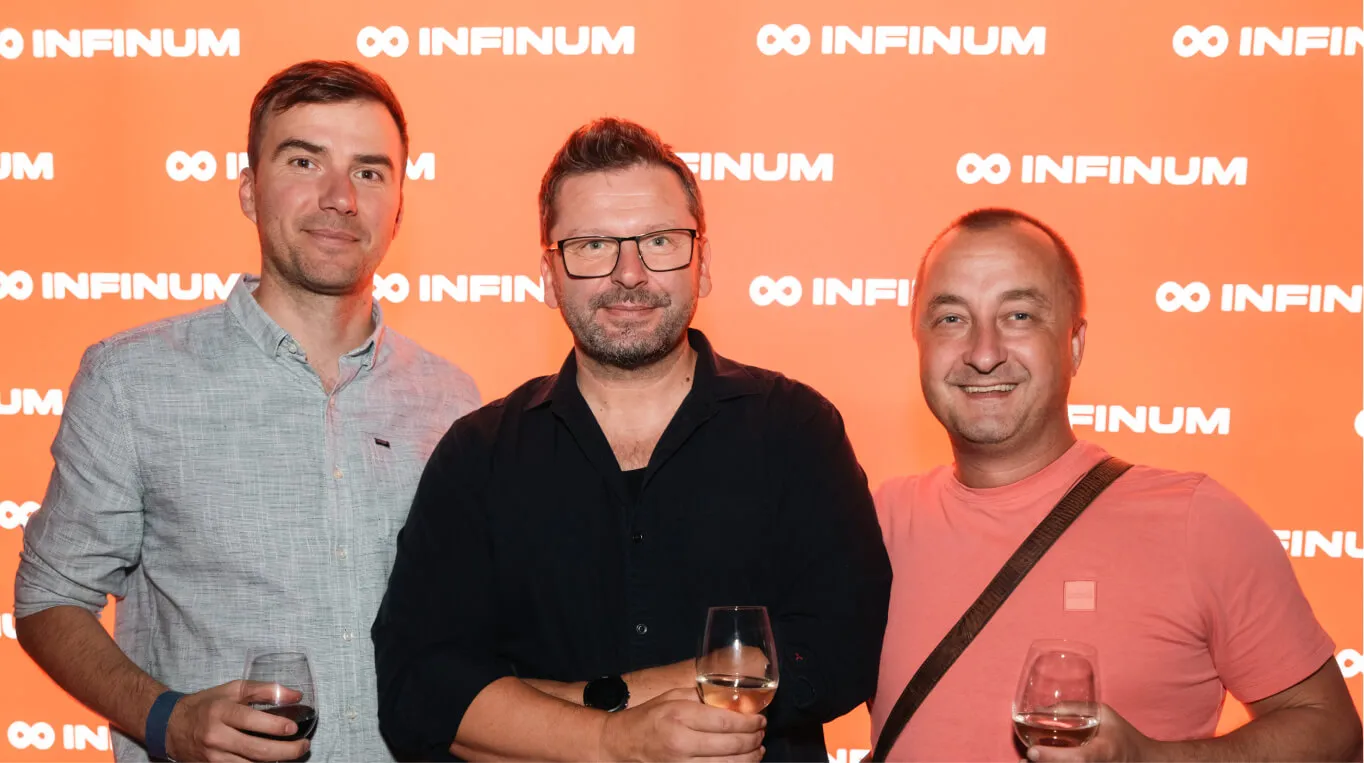
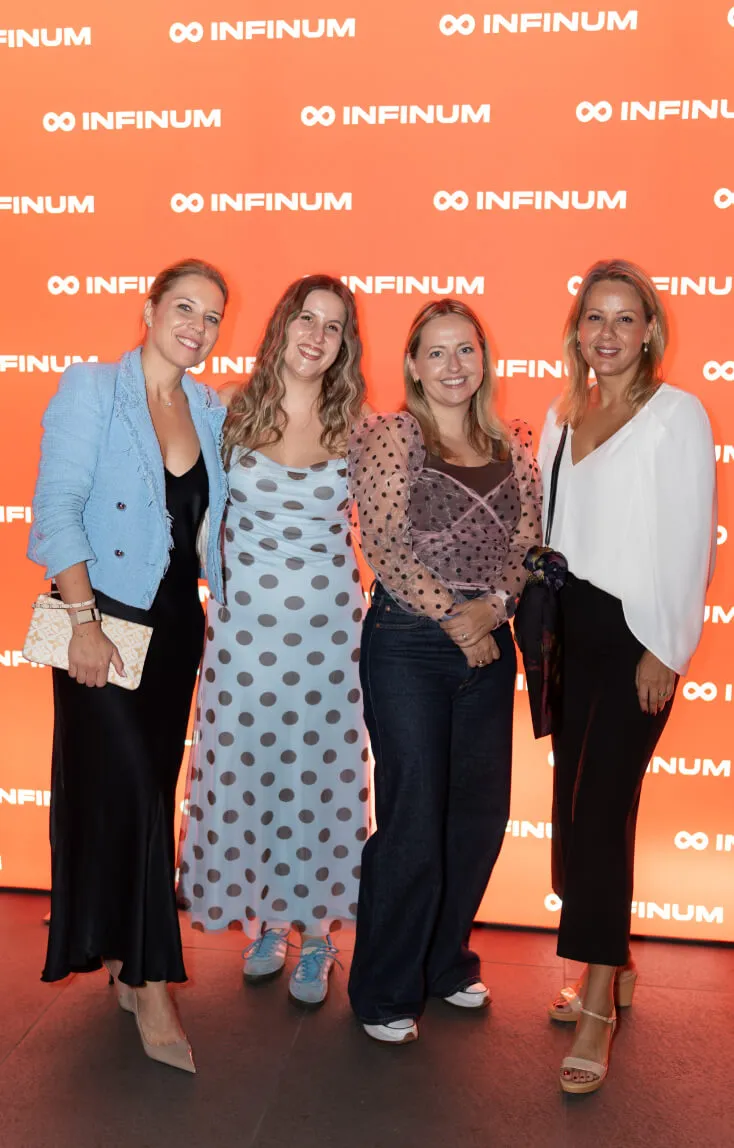
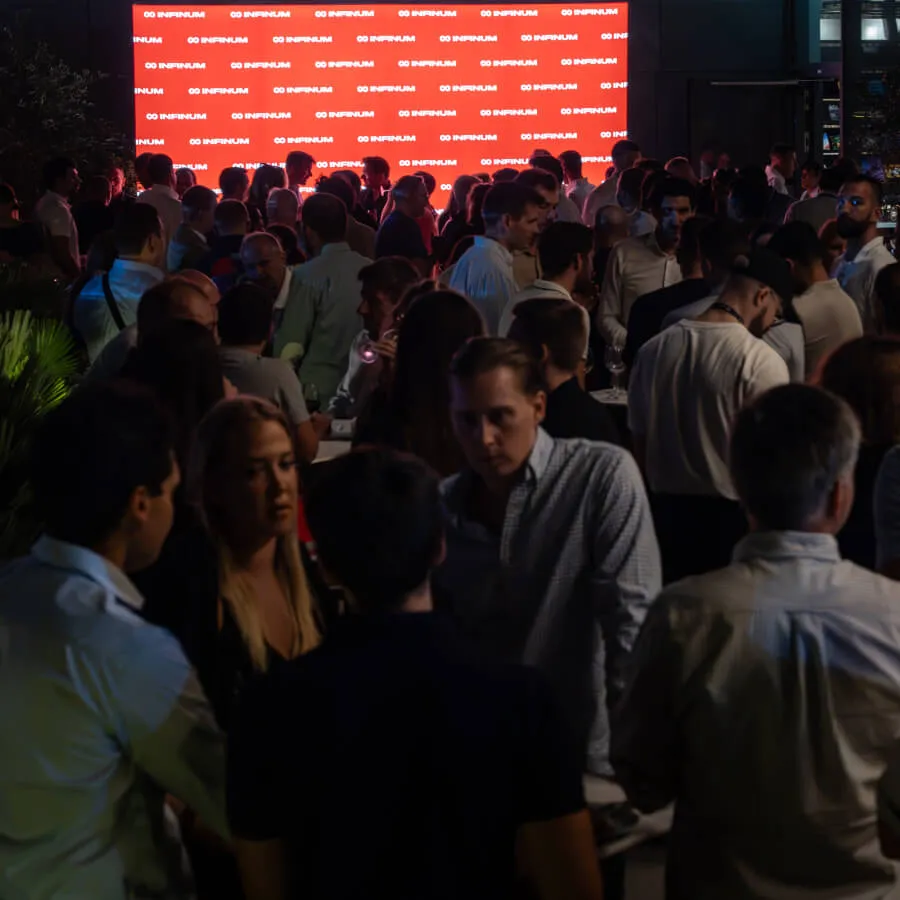
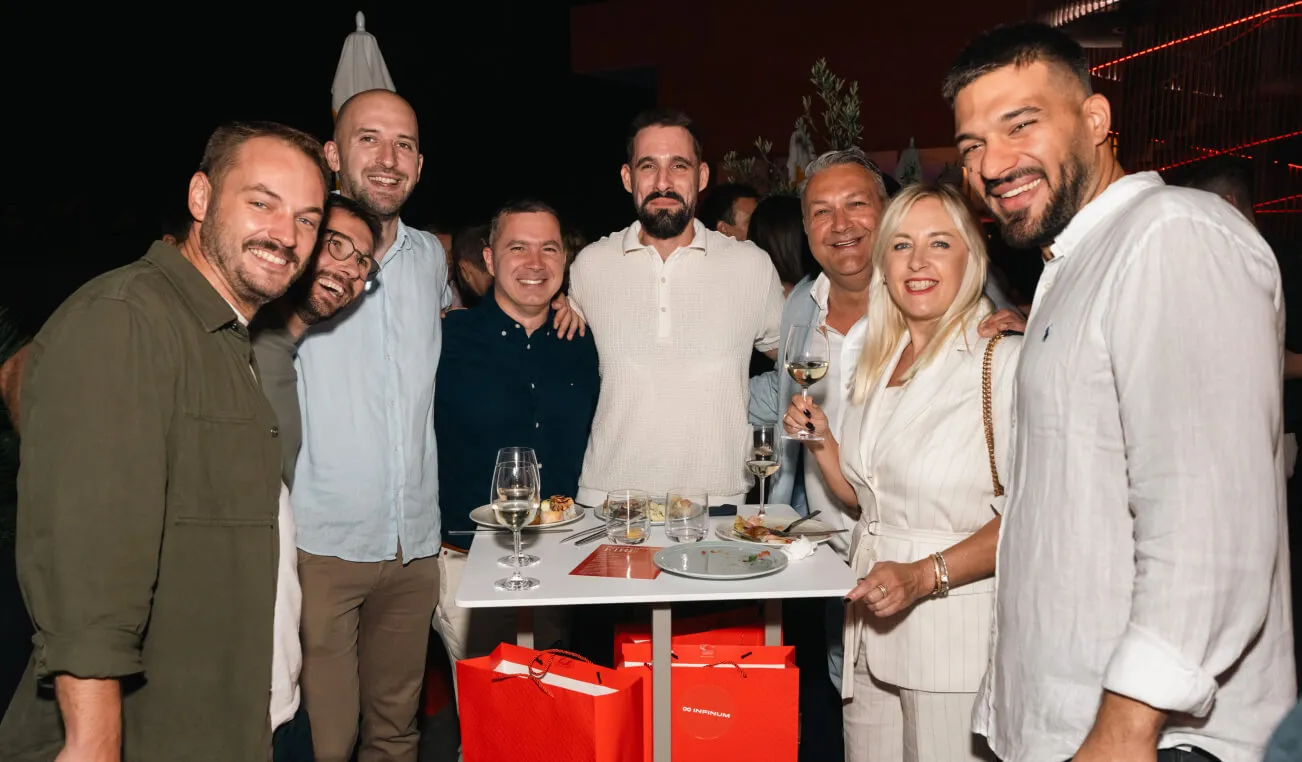
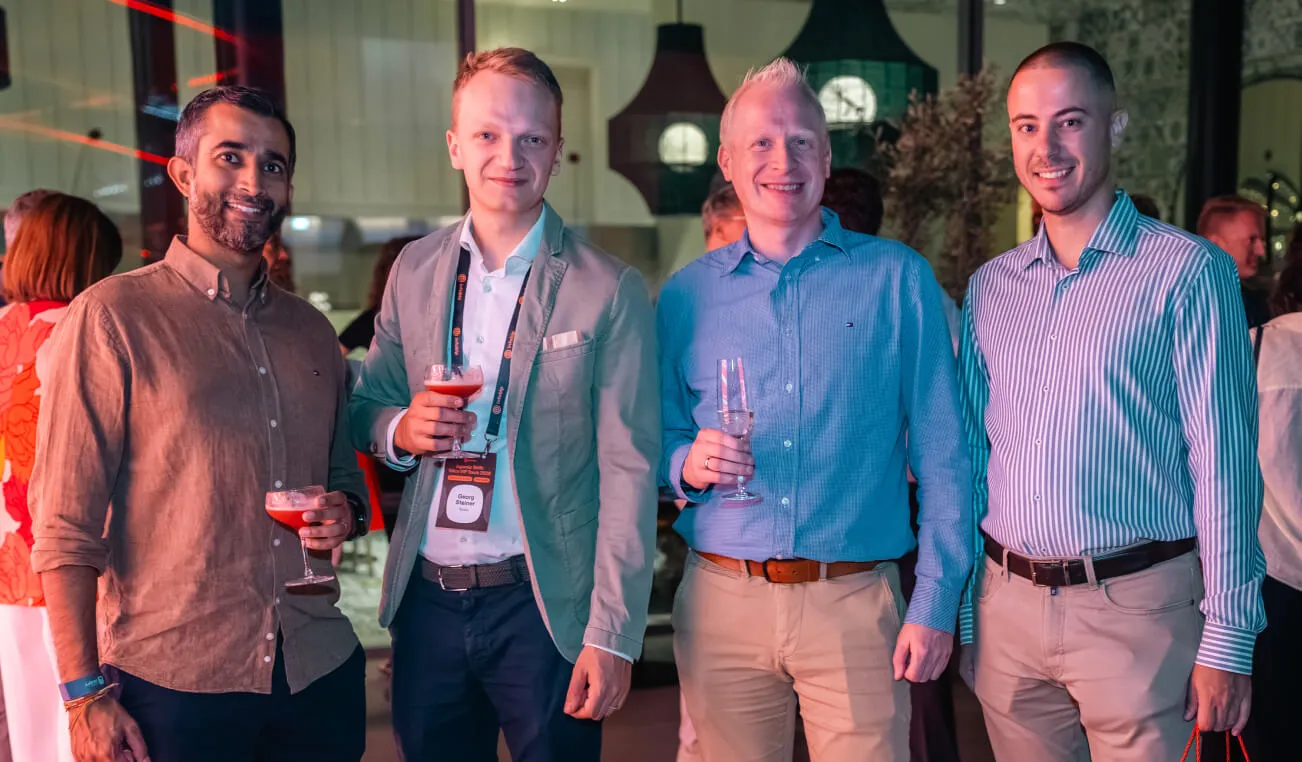
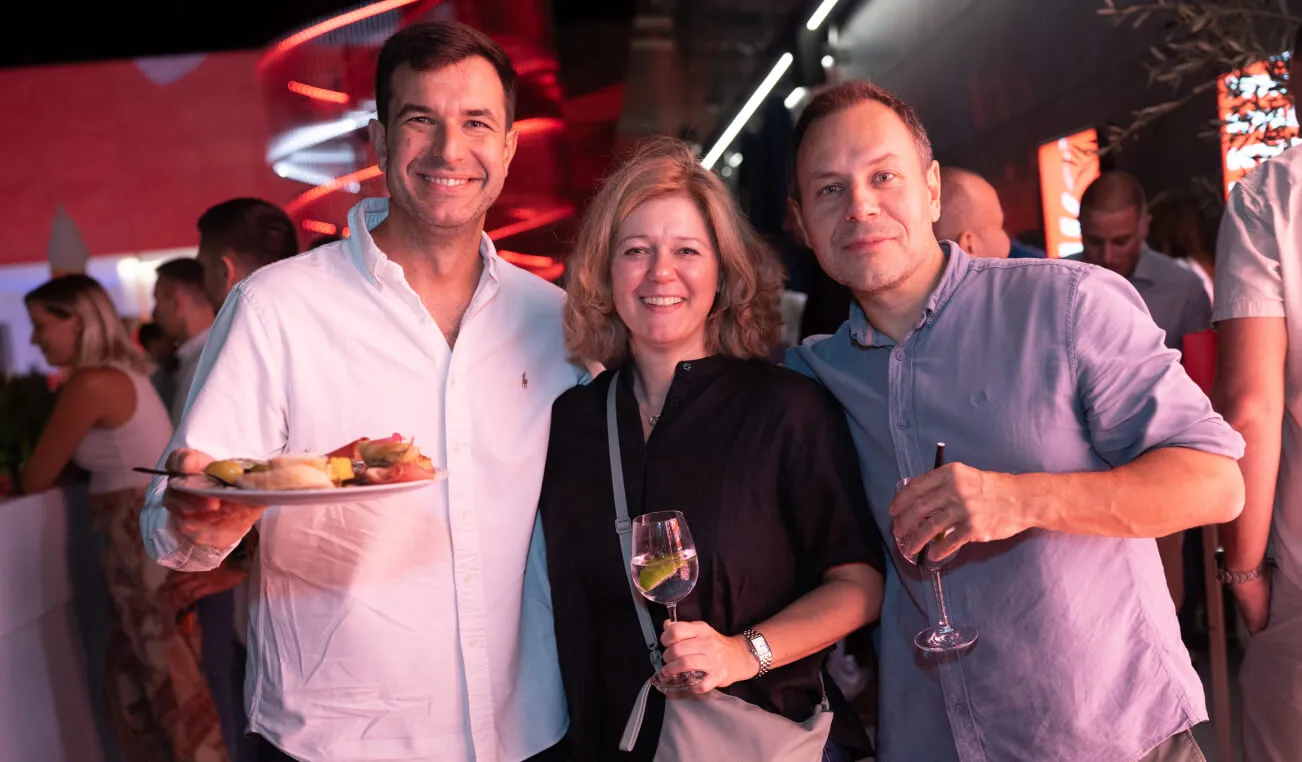
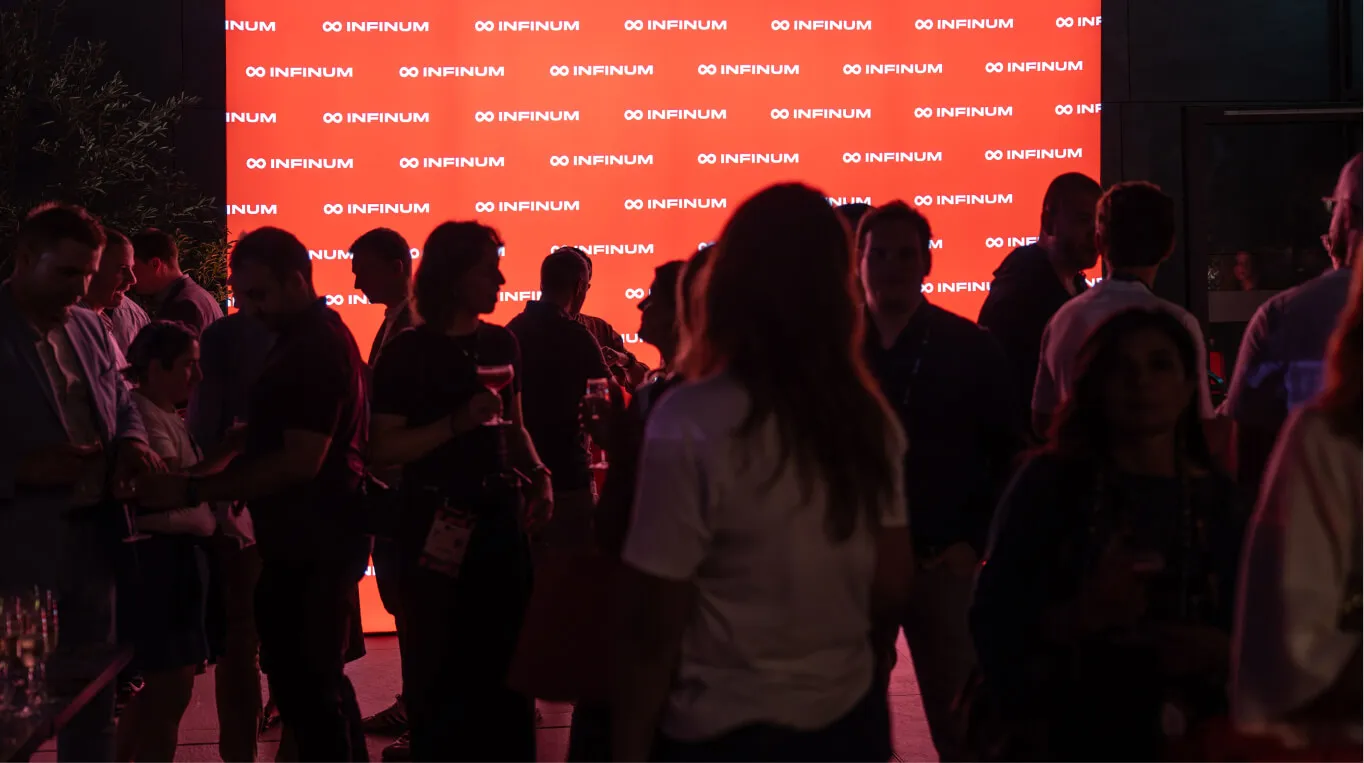
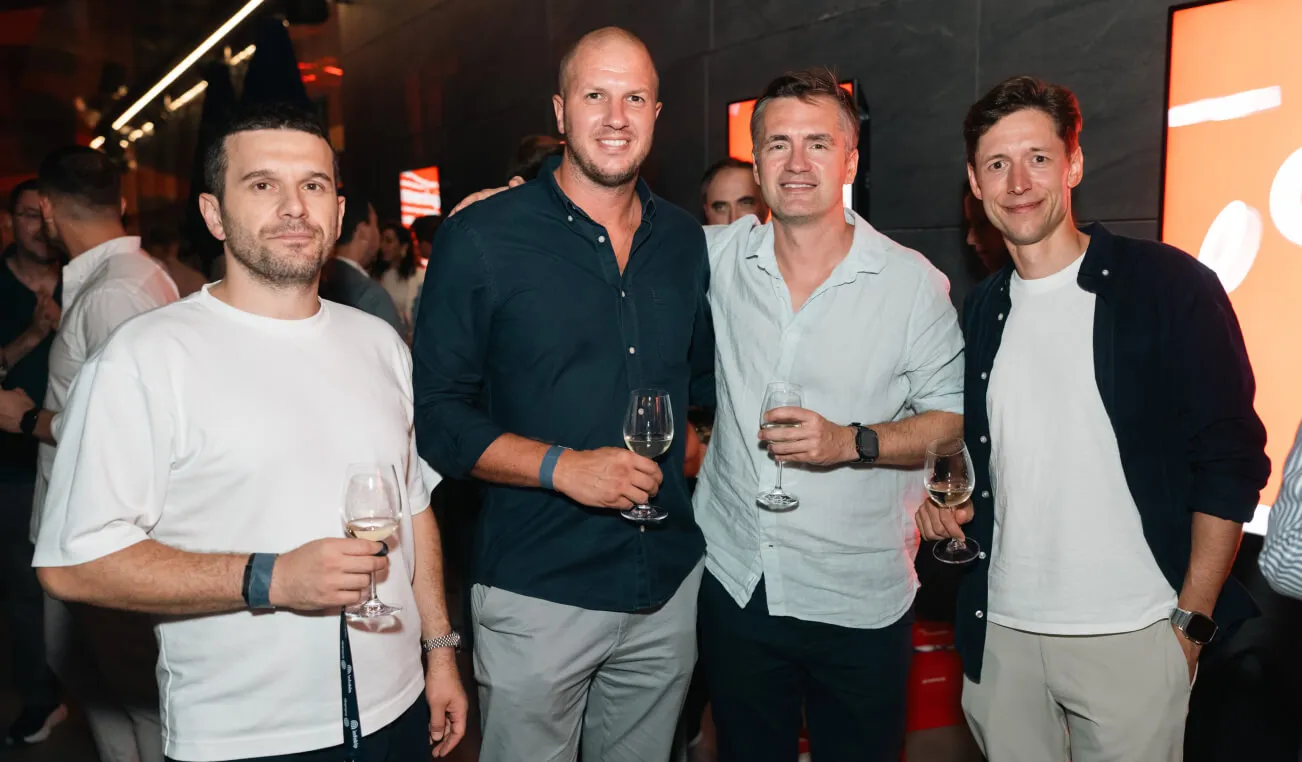
We closed Day 1 with a VIP dinner hosted by Infinum – and the venue delivered.
The Hyatt’s pool terrace, dressed in Infinum red from end to end, set the kind of scene that makes people stay longer than they planned.
Smaller setting, more candid conversation – clients and team members comparing notes, sharing project experiences, and having the kind of exchange that conference panels don’t quite allow.





A live demo worth watching
Infobip hosted an invite-only partner spotlight alongside the conference, bringing together around clients, partners, and industry leaders, including OpenAI.
Filip Gulan, our Head of AI & Mobile and Branimir Akmadža, AI & Data Engineering Team Director, ran the session, building and demoing a live proof-of-concept GPT application from scratch.
The proof-of-concept was a ChatGPT app, a university assistant, connected on the backend to Infobip’s platform, enabling students to interact across different communication channels while keeping the full context of the conversation intact.
Watching a fully working AI product come together in real time, in front of an audience, with no safety net, landed as a clear, confident signal about where the work is heading and how quickly.
The feedback that came back to us afterwards – from clients in the room, including some of the most senior leaders at the conference – captured it well: direct, transparent, and real. A real demo turned out to be exactly what people were looking for.
AI in marketing: what CMOs are actually thinking
The final event on Infinum’s Shift calendar was a CMO session co-hosted by Georgios Athanassiadis, Managing Partner at Your Majesty, Part of Infinum, and Ben Lewis, Infobip’s VP of Marketing, with Ida Pandur moderating.
Georgios brought a practitioner’s perspective on how AI is reshaping marketing campaigns and made the case for AI as a practical tool for testing concepts quickly, developing product-market fit without significant spend, and iterating before committing at scale.
He also included a candid account of a failure that eventually became the foundation for something that worked – a realistic and transparent approach to a process that is often simplified.
The conversations it sparked mapped a consistent picture: companies with an internal AI champion are already experimenting; those without one are still navigating scepticism and unstructured exploration.
Across the board, AI in marketing is framed as a cost-reduction play. Agency production work is increasingly viewed as something that can and should move in-house – what remains is creative strategy, outside perspective, and the judgment that doesn’t yet have an automated replacement.
One for the road
We closed out Shift the way every good conference should end – with informal drinks, clients who stayed to keep talking, and conversation that often turns out to be the most useful.
From the Official Day Zero event – Infobip Shift x Sedmi Odjel at Maškovića Han, where an extraordinary venue and immaculate organisation made every catch-up feel like it was meant to happen – to the last conversations as the lights came down, Shift 2026 was a reminder of what makes this conference unlike anything else.
A strong weekend, start to finish.